
Bathrooms & wet rooms
Full tanking of floors and wet walls, with falls formed to the drain and a flood test before tiling.
Bathrooms, balconies, roofs, planters and water tanks tanked properly and flood-tested before finishes go back — the step most leaks in Abu Dhabi trace directly back to.
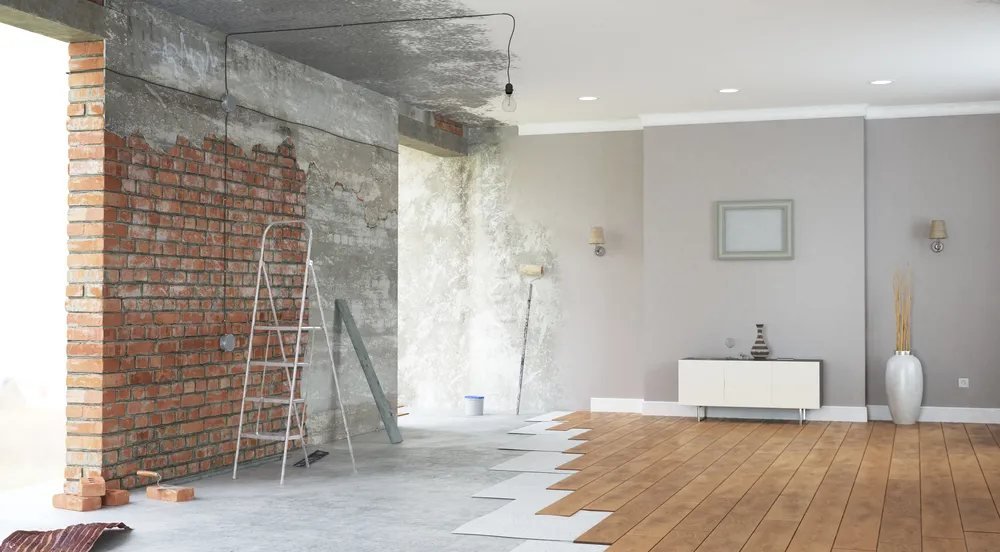
Quick answer: ALHUD carries out waterproofing across Abu Dhabi for bathrooms and wet rooms, balconies and terraces, roofs, planters, water tanks and basement areas. Membranes are applied over a prepared substrate with reinforced corners and pipe collars, taken up the wall to the correct height, then flood-tested before tiling or screeding. Work is covered by a 12-month workmanship warranty.
After enough remedial jobs, the pattern is boringly consistent. Water gets through at the wall-to-floor junction, around the drain body, at pipe penetrations, and wherever the membrane stopped short of where water actually reaches.
None of those are material failures. They are detailing failures, and they happen because the membrane went on as a coat of paint rather than as a system. ALHUD reinforces every junction with fabric tape, collars every penetration, carries the membrane up the wall past the splash zone, and then fills the area with water and leaves it. If it holds for twenty-four hours, it is finished. If it does not, better to know now.
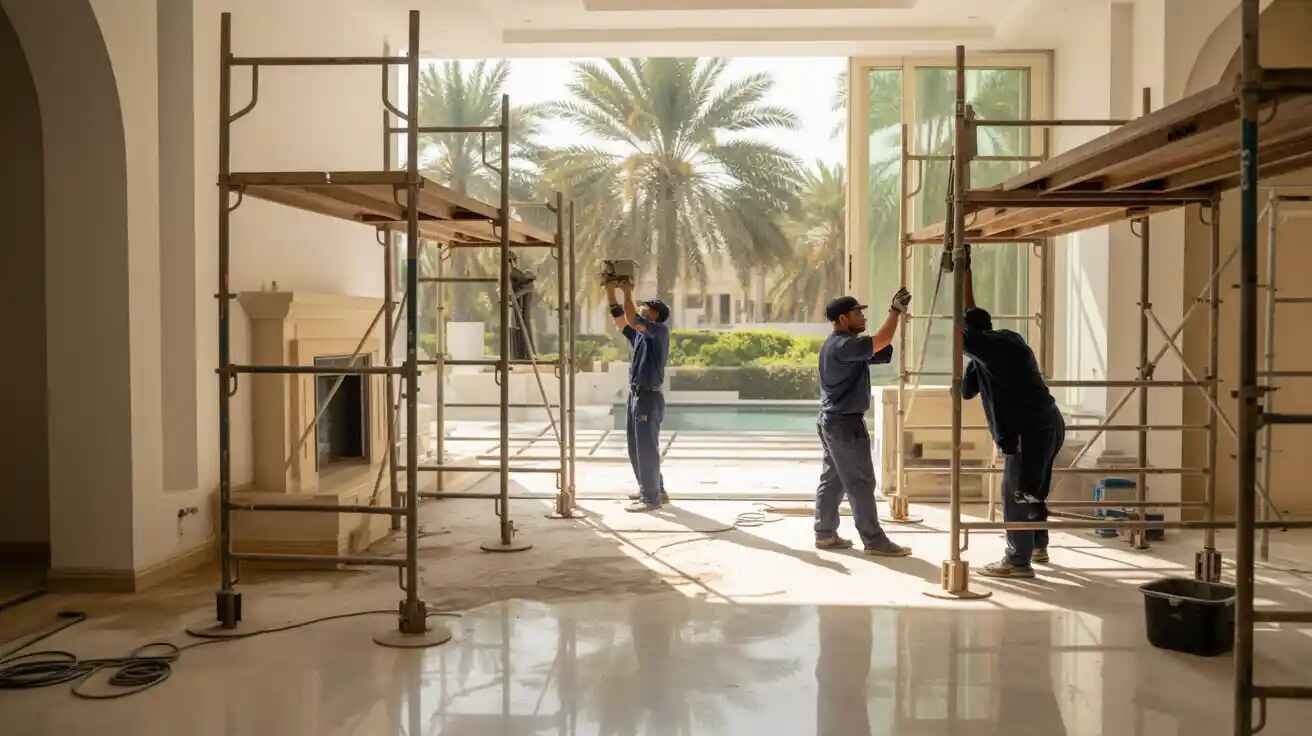
Wet areas are only part of it.
Full tanking of floors and wet walls, with falls formed to the drain and a flood test before tiling.
Exposed slabs treated and detailed at the threshold, upstands and drainage outlets so water leaves rather than sits.
Flat roof membranes, thermal and screed layers, parapet detailing and outlet connections for villas and buildings.
Internal tanking of planters so constant irrigation does not migrate into the structure behind them.
Cleaning, repair and food-safe tanking of ground and roof tanks, plus overflow and access detailing.
Tracing an active leak to its source before repair, so the fix addresses the cause instead of the symptom.
What happens when water is already coming through a ceiling.
Moisture mapping and pressure testing to separate a plumbing leak from a waterproofing failure. They need different repairs.
A targeted opening at the failure point rather than a series of exploratory holes across the room.
Substrate repaired, membrane reapplied with full detailing, then flood-tested before anything is closed.
Screed, tiling, ceiling board and paint reinstated so the repair does not announce itself for the next ten years.
Most liquid-applied membranes need 24 to 48 hours between coats and before flood testing, depending on product and conditions. Adding the flood test, a bathroom is usually three to four days from substrate preparation to being ready for tiling.
Surface-applied products exist and can buy time, but they sit above the failure rather than repairing it. Where a wet area is genuinely leaking, ALHUD recommends lifting the tiles and tanking properly — doing it twice costs more than doing it once.
A correctly detailed and tested membrane should outlast the tiles above it, comfortably ten years or more. Failures inside two or three years are almost always detailing errors at corners, drains or penetrations rather than the membrane itself giving up.
Yes. Rain is infrequent but heavy, air-conditioning condensate runs constantly, and washing down a balcony puts water on the slab weekly. Untreated balconies show up as damp patches on the ceiling of the room below.

Book a free inspection. ALHUD will trace where the water is actually coming from before quoting a repair.